
I’m an unashamed Kylie Minogue fan (much to my husband’s dismay). So like a lot of people, I’ve been completely pulled into the conversation around Kylie’s Netflix documentary this week. But watching it through the lens of a brand strategist, I couldn’t stop thinking about something bigger…
Kylie might genuinely be one of the strongest examples of brand reinvention and longevity in modern culture.
What makes Kylie fascinating is how naturally she’s moved through decades of changing trends, audiences and cultural moments without ever losing who she is. Watching the documentary reminded me that the strongest brands aren’t built by constantly reinventing yourself from scratch.
They’re built through knowing your identity so well that you can evolve around it while still remaining recognisable, relevant and emotionally connected to people over time.
Across four decades, Kylie hasn’t stayed relevant by chasing trends. She’s done it by understanding exactly who she is, then finding new ways to express that for each generation. In a world where so many brands struggle to evolve without losing themselves, there’s something incredibly powerful in that.
So, here are a few thoughts on what Kylie Minogue can teach us about brand reinvention.
1. Consistency doesn't mean sameness
Kylie’s career is a case study in strategic reinvention. She’s had many memorable eras each with its own aesthetic, sound and emotion. Yet across them all, she’s remained emotionally constant.
The story changes, but core codes never shift… positivity, playfulness and an effortless warmth remain constant. Even when her sound goes from shimmering pop to country twang, it’s still delivered with that trademark joy and glamour.
She doesn’t chase relevance, she simply updates her context. That’s the difference between chasing trends and owning evolution.
Consistency isn’t about freezing yourself in time. It’s about protecting the emotional feeling that defines you. The brands that last decades, like Nike, Apple, Dove, all evolve their visual worlds and messaging, but never the emotion they stand for.
Brands that confuse consistency with sameness end up stagnant. Kylie proves that familiarity and freshness can coexist, but only if you know your emotional core.

2. Know your codes, then remix them
Kylie’s visual and sonic world is built on distinct memorable semiotic codes: disco balls, metallic textures, romantic optimism, queer joy. They’re the building blocks of her identity.
Every “era” becomes a new remix of those codes.
The Fever era turned those codes into sleek futurist disco.
Golden softened that world, pairing sequins with denim and Nashville-country influences.
Tension reframed Kylie for a hyper-digital era, pairing neon visuals with her signature escapism and glamour.
Kylie understands her core, then she reuses her codes like brand assets, reshaped through different cultural moods. That’s why every look, every music video and every performance feels both new and undeniably “Kylie”.
The strongest brands work in exactly the same way. Distinctiveness is built on repetition with variation. Brands need recognisable codes (colour, typography, tone, photography style) but they should be treated as ingredients, not boundaries.
Coca-Cola’s ribbon, McDonald’s golden arches, Burberry’s check. They’ve all survived by remixing, not replacing, what people know and love. Kylie does exactly the same… her codes evolve with culture, but her identity stays intact.
3. Collaboration is cultural currency
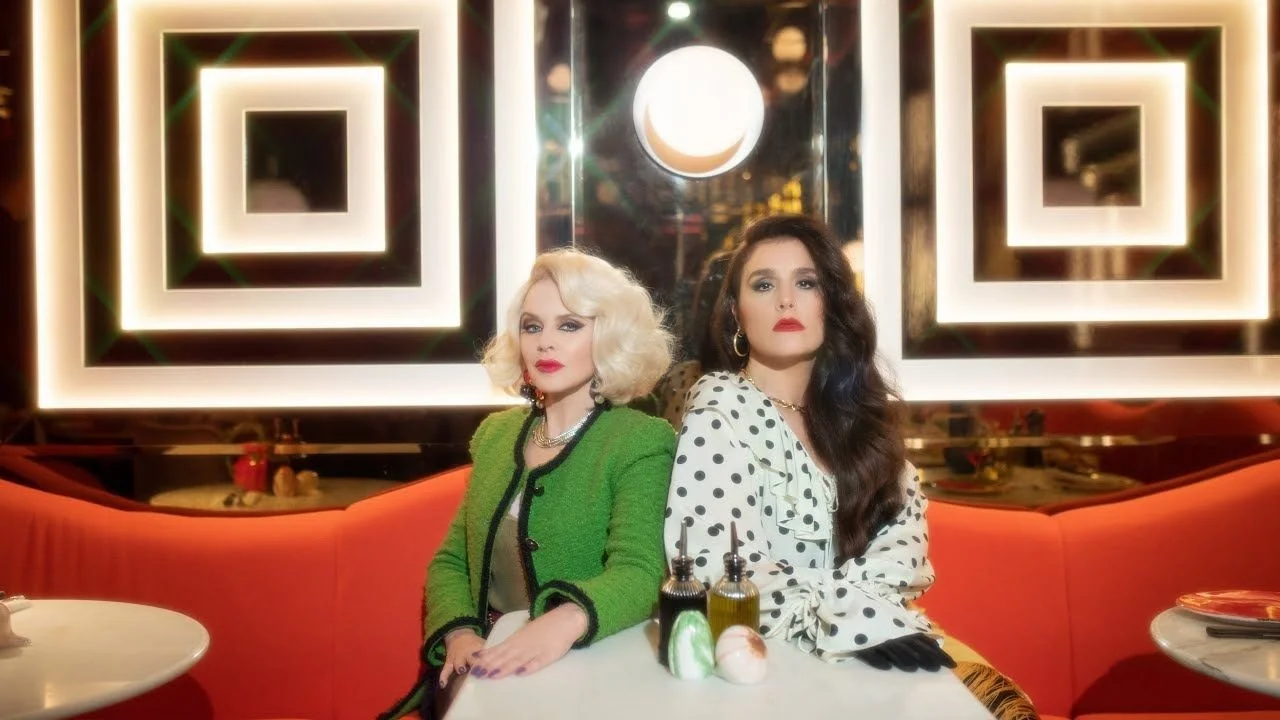
Kylie’s career longevity owes a lot to her collaborators. She’s always on the pulse and in conversation with culture.
In the 90s, she partnered with Nick Cave to shed her bubblegum image and move into credibility.
In the 00s, she teamed up with Calvin Harris and to bring mainstream dance music to the masses.
In the 20s, she’s worked with a generation of LGBT icons who understand her enduring camp power.
She also embraces platforms that amplify her, from Glastonbury to TikTok, where "Padam Padam" became a viral anthem not through marketing, but through the authenticity of her connection with her audience.
Partnerships can be powerful shortcuts to cultural relevance, but only if they make sense for your values. The wrong collab feels forced, while the right one feels like destiny.
The best brand collabs like Lego x IKEA or Barbie x Airbnb work because they fuse shared DNA and audience overlap. Just like Kylie, they partner with collaborators who expand their world while keeping the centre intact.
4. Build emotional equity, not just fame
Kylie isn’t controversial. She’s not scandal-driven. She doesn’t need to “go viral” to stay visible.
Her power lies in something quieter but stronger… emotional equity.
People adore Kylie and that’s rare in pop longevity. She’s approachable yet aspirational, sexy yet safe, polished yet kind. She’s built decades of goodwill by embodying joy and humility, even at the height of success.
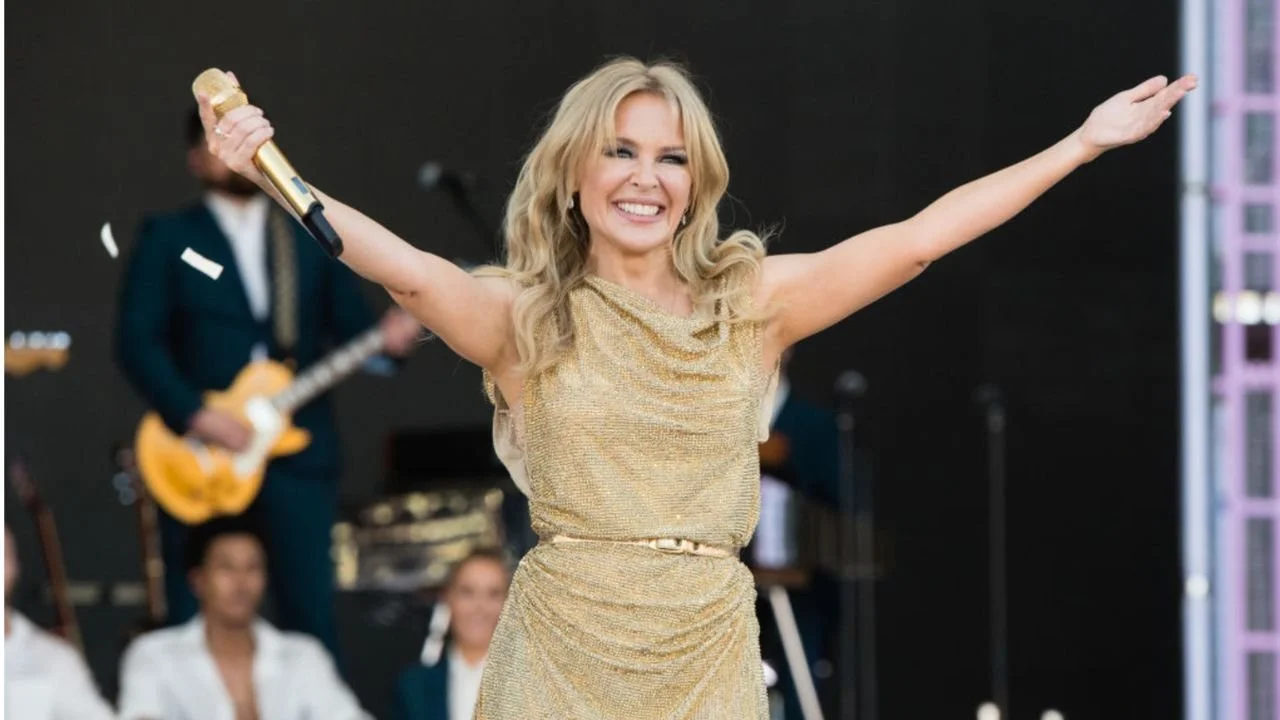
Her Glastonbury headline set was a masterclass in emotional storytelling, referencing her cancelled 2005 slot due to cancer treatment, framed as a celebration of resilience and gratitude. It was a communal catharsis and proof that when audiences feel emotionally invested, the connection becomes meaningful, not commercial.
Strong brands like John Lewis, Innocent and Dove all build emotional equity through tone, empathy and personality. They don’t just chase visibility, they build genuine emotional connection over time.
That’s why people keep coming back to Kylie. Not just because of the music, but because of how consistently she makes people feel uplifted, connected and part of something bigger.

5. Create a multi-sensory brand world
Kylie has never just sold music. She’s built an entire world around herself.
From the visuals and fashion to fragrance, wine, live shows (the list goes on) every touchpoint feels connected by the same emotional thread of glamour, escapism and joy.
That’s what makes her feel bigger than a pop star. She feels immersive.
The strongest brands think this way too. They don’t just focus on products or campaigns in isolation. They think about atmosphere, experience and world-building. What does the brand sound like? Look like? Feel like to step into? How does every touchpoint contribute to one connected emotional experience?
Brands like Nike and Disney understand this brilliantly. They create worlds people emotionally participate in, not just products they consume.
Kylie’s genius has been building a universe people don’t just listen to, but one they genuinely want to live inside.
The Big Lesson
Kylie Minogue isn’t just a pop star. She’s one of the most compelling branding case studies of the last 40 years.
At a time when so many brands struggle to stay culturally relevant without losing themselves, Kylie has managed to evolve through every era of pop culture while remaining unmistakably Kylie.
Watching the Netflix documentary, what struck me most wasn’t just the nostalgia, it was the clarity of her brand world. The emotional consistency. The recognisable codes. The ability to evolve without abandoning identity.
She’s proof that the strongest brands don’t constantly become something new. They find new ways to express what people already love about them relevant to today.